














Office Furniture Procurement Guide for Business Buyers
Buying office furniture for a business requires more than selecting attractive products. Procurement teams need a clear specification, accurate quantities, consistent finishes, realistic delivery planning and a record of why each product was chosen.
This commercial office furniture procurement guide provides a practical process for refurbishments, new offices, schools, growing teams and multi-site orders.
Write the project brief first
Define the project before creating a product list. Record the locations involved, number of users, room types, target dates and any operational constraints. Separate essential requirements from preferences so suppliers can recommend alternatives without weakening the brief.
The brief should cover:
- Workstation, meeting, reception, storage and breakout areas.
- User numbers now and expected future growth.
- Allocated, shared or hybrid working patterns.
- Technology, cable management and power requirements.
- Access restrictions, floor level, parking and delivery hours.
- Required finishes, branding or existing furniture to be matched.
Survey and measure every space
Record room dimensions and the position of doors, windows, radiators, sockets, columns and fixed equipment. Include access routes from the delivery point to the final room. Large tables or assembled units may fit the office but not a lift, staircase or doorway.
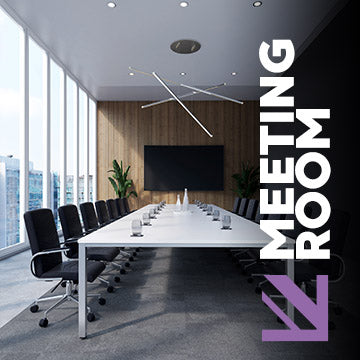
Create a layout that allows furniture to be used properly. Desks need chair and circulation space; cupboards and filing cabinets need door or drawer clearance; meeting rooms need access around the table.
Build the furniture schedule
A furniture schedule turns the brief into a controlled buying list. Give each room or area a reference and record the item, dimensions, finish, quantity and any important options. Keep alternatives clearly marked so the final order cannot accidentally mix specifications.
Useful starting categories include:
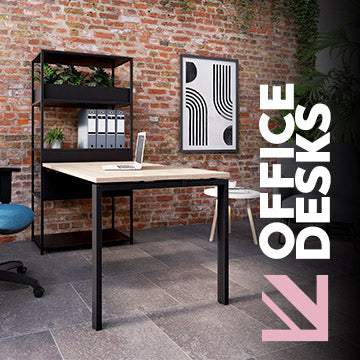
- Office desks and tables for individual, team and meeting spaces.
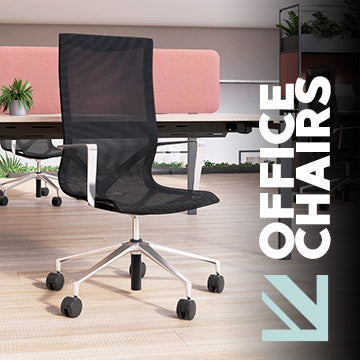
- Office chairs for task, executive, meeting and visitor use.
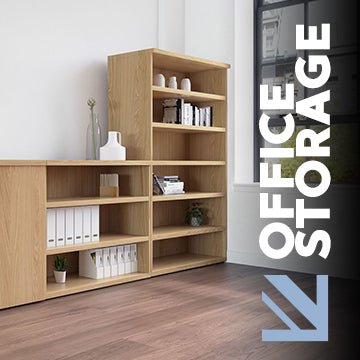
- Filing cabinets, cupboards, lockers and pedestals for storage.
- Office Essentials for practical commercial furniture across key categories.
Specify performance, not just appearance
For each item, define the features that matter. A desk specification may include size, frame style, cable access and finish. A chair specification may cover adjustment range, upholstery, recommended usage and maximum user weight. Storage may require a particular filing format, shelf layout or lock.
Use product specifications and manufacturer information when comparing options. Similar photographs do not mean two products have the same dimensions, mechanism or intended usage.
Compare whole-project value
Compare the total cost of meeting the brief rather than choosing each line solely on its lowest unit price. Consider whether ranges coordinate, whether replacement items can be sourced, the expected use, delivery arrangements and the time required to manage several suppliers.
Ask for a written quotation with product references, quantities, finishes, prices, delivery assumptions and validity period. For volume pricing or project support, use the business quote form.
Control finishes and variants
Furniture ranges may have several top sizes, frame colours, wood finishes, fabrics and optional accessories. Use exact product references and variant names in the order schedule. Where appearance is important, review finish samples or manufacturer imagery and record the approved selection.
For phased projects, confirm whether the same range is expected to remain available and whether later orders may have different lead times or batch variations.
Plan delivery before placing the order
Confirm the required date, site contact, delivery address, access hours and any restrictions. Identify stairs, lifts, loading limits, narrow doors and parking controls. Decide where goods will be received and checked and whether rooms will be ready.
Lead times differ between stocked and made-to-order furniture. Review our delivery information and the individual product details, then build contingency into the project schedule rather than planning installation immediately before staff move in.
Check the order and delivery
Before approval, reconcile the final quotation against the furniture schedule. Check quantities, dimensions, finishes, handed options, delivery details and contact information. Keep the approved schedule with the purchase order.
On delivery, check the number of packages and note visible damage in line with the delivery instructions. Match received items to the room references so products are not distributed to the wrong areas.
Commercial office furniture procurement checklist
- Approved project brief and budget.
- Measured room plans and delivery-access notes.
- Furniture schedule with exact quantities and specifications.
- Recorded finishes, variants and handed configurations.
- Written quotation reconciled to the schedule.
- Confirmed lead times and receiving arrangements.
- Named contact responsible for delivery checks.
- Plan for future additions, replacements and retained records.
Request a commercial furniture quote
UK Office Furniture supplies commercial offices, schools and larger projects. Request a quote with your product list, quantities or project brief, or contact our team for help comparing options.
Free UK delivery is available across much of the range. Product lead times and any location or item-specific conditions should be confirmed before the order is approved.